


Get a grip of harassment and conflicts - DIY
Talk properly about your psychological work environment. These two serious topics can be discussed so everyone is heard in an equal and appreciative dialogue. Everybody can join the conversation.
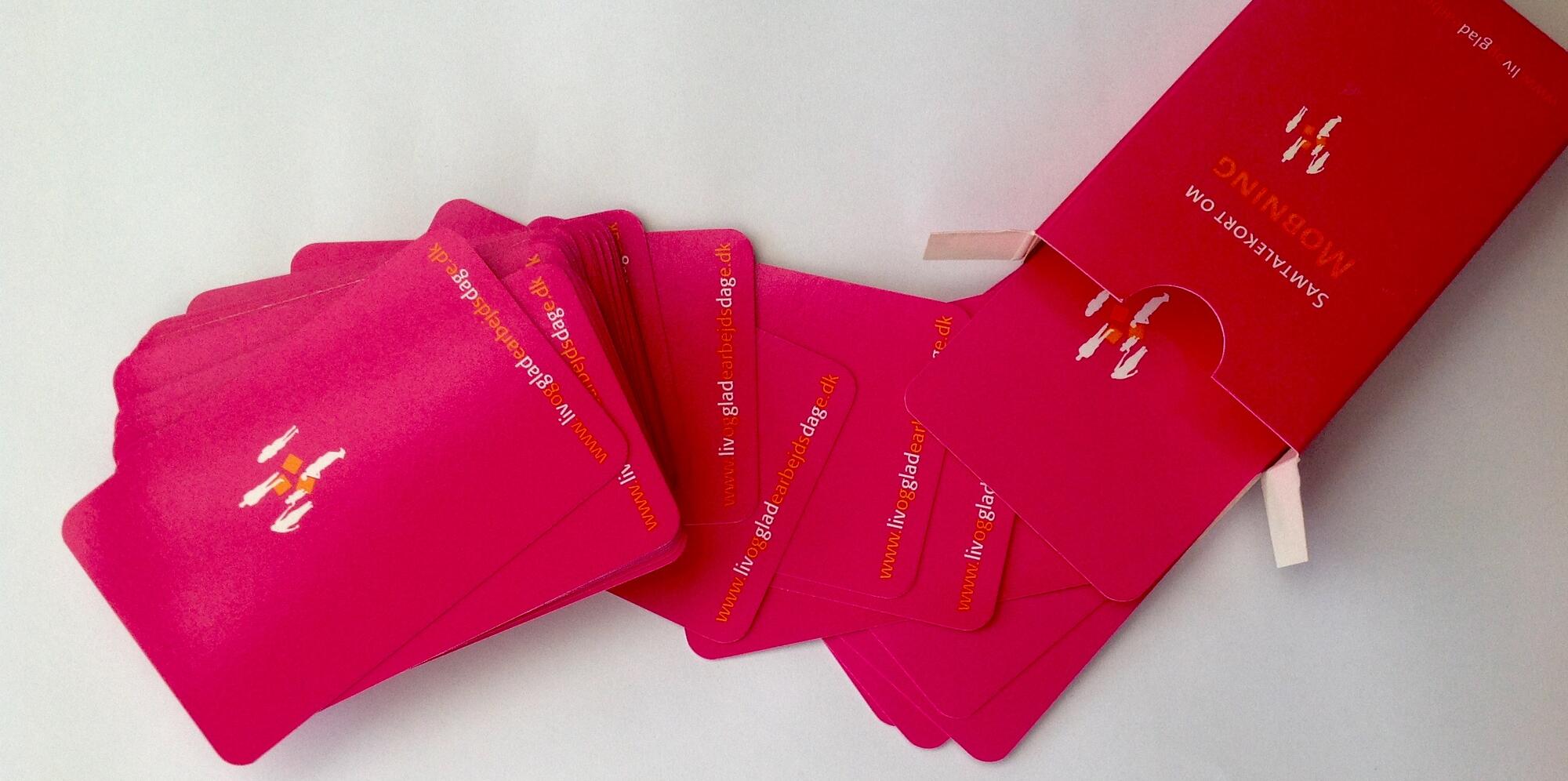
By introducing dialogue cards to a meeting that would otherwise be purely one-way communication, you transform passive listeners into active participants.
When everyone has the opportunity to talk together about the topics of the day as well as the team's culture, leadership and well-being, you achieve and improve a number of concrete things, which can be divided into three main areas:
- What you get (The concrete results)
More perspectives and better ideas: You gain access to the collective intelligence in the room. When everyone offers input, you discover blind spots that management or the presenter themselves had not seen.
Honest feedback on management and well-being: Dialogue cards act as a "safe framework" (a so-called social technology) that makes it easier to talk about difficult topics such as management style, work pressure and well-being, because the questions are already formulated on the cards.
Concrete action plans: You get input on what really needs to be changed or maintained in everyday life for the team to function better.
- What you experience (The human dynamic)
Psychological safety and inclusion: Participants experience being heard and recognized. This reduces the feeling of being "those on the floor" who simply have to take orders from "those on stage".
Higher energy and engagement: One-way meetings often drain people of energy. The dialogue creates ownership, presence and a sense of community, because you look each other in the eye and collaborate on the topic.
Stronger relationships: Colleagues experience getting to know each other better across professional and personal boundaries, which strengthens collegial unity.
- What you improve (The long-term effects)
Culture and well-being: By putting words to well-being and culture, you improve the psychological working environment. Problems are addressed early, and positive success stories are shared and reinforced.
Anchoring knowledge: When you have to formulate, discuss and reflect on the topics of the day yourself, you remember and understand the messages much better than if you just listened to a PowerPoint presentation.
Follow-up and trust in management: When management dares to open up for dialogue and listen to feedback, trust improves significantly. This increases the likelihood that employees will actually support the decisions that are made.
In short, dialogue cards move the meeting from being an information briefing to being a development platform.


