

Start turning 'silent meetings' into 'active involvement'
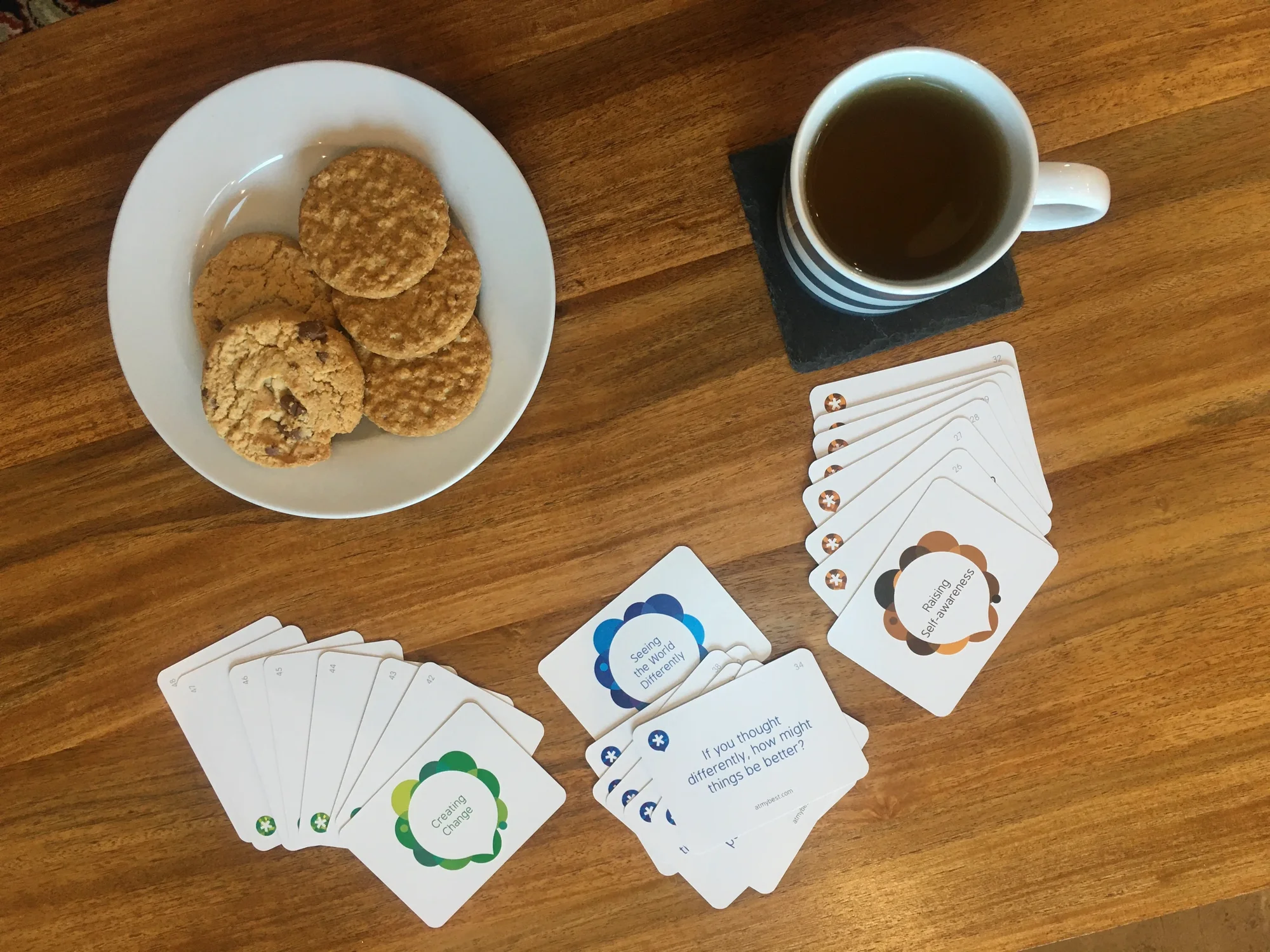
Simple but powerful. Based on the principles of Positive Psychology. At my best products are designed to help people to develop narratives around their own strengths and successes. With a multitude of uses all tools can be used in a wide range of contexts where there is a focus on building on what is working and appreciating the good.
At my best, run by Work Positive Limited, is a UK-based company that develops psychological tools and coaching materials. Their primary purpose is to help organisations, coaches and individuals focus on positive human qualities rather than weaknesses.
The company's products are used in more than 50 countries, and their core services include:
- Strengths Cards: Physical and digital card sets that act as conversation starters. Each card has a single word (e.g. 'resilient' or 'analytical') on one side and an image on the other.
- Good Questions Cards: Physical and digital card sets for feedback and personal development, where you can gather input from colleagues and leaders.
- ASPIRE Culture Cards: Physical card sets for thriving cultures in the workplace, in the classroom and in the local community.
- Crafting Cards: Physical and digital card sets for structured reflection and discussion.
At my best tools are based on positive psychology and are used for team building, leadership development and career counseling, among other things. Find the products here in webshop LEADERS WAREHOUSE.
Using conversation cards in a meeting or in a team is a great way to break the ice and create deeper conversations. When participants are given cards and talk together in smaller groups (2-3 people), either walking or sitting, it provides a number of clear benefits:
- It creates psychological safety and equal speaking time: In large groups, it is often the same few people who take the floor. When you sit or walk in smaller groups of 2-3 people, it is much easier for more introverted or reserved colleagues to speak up. It creates a safe space where everyone's voice is heard.
- It provides higher engagement and energy: The format, where you can walk around the room (a "walk and talk"), activates the body and increases blood flow to the brain. It creates physical variety in the meeting, prevents 'meeting fatigue' and significantly raises the general energy in the room.
- It strengthens the relational bonds across the board: Conversation cards often force participants to talk about topics or angles that they do not normally touch on in a busy everyday life. It builds trust, empathy and stronger personal relationships, which directly strengthens the team's subsequent collaboration and communication.
- It provides targeted focus without derailments: Professionally designed conversation cards help keep the focus on the chosen topic or theme. The questions act as a common thread that prevents the conversation from getting off track or ending in indifferent small talk, while at the same time keeping the framework feeling informal.
- It breaks down silos in the organization: If you deliberately put together groups across departments or familiar cliques – or let people mix on the floor – professional and social silos break down. It opens up new perspectives and a broader shared understanding in the team or company.
Contact LEADERS WAREHOUSE if you would like to try one or more of the tools with your team or before presenting them to your team.
By introducing dialogue cards to a meeting that would otherwise be purely one-way communication, you transform passive listeners into active participants.
When everyone has the opportunity to talk together about the topics of the day as well as the team's culture, leadership and well-being, you achieve and improve a number of concrete things, which can be divided into three main areas:
1. What you get (The concrete results)
More perspectives and better ideas: You gain access to the collective intelligence in the room. When everyone offers input, you discover blind spots that management or the presenter themselves had not seen.
Honest feedback on management and well-being: Dialogue cards act as a "safe framework" (a so-called social technology) that makes it easier to talk about difficult topics such as management style, work pressure and well-being, because the questions are already formulated on the cards.
Concrete action plans: You get input on what really needs to be changed or maintained in everyday life for the team to function better.
2. What you experience (The human dynamic)
Psychological safety and inclusion: Participants experience being heard and recognized. This reduces the feeling of being "those on the floor" who simply have to take orders from "those on stage".
Higher energy and engagement: One-way meetings often drain people of energy. The dialogue creates ownership, presence and a sense of community, because you look each other in the eye and collaborate on the topic.
Stronger relationships: Colleagues experience getting to know each other better across professional and personal boundaries, which strengthens collegial unity.
3. What you improve (The long-term effects)
Culture and well-being: By putting words to well-being and culture, you improve the psychological working environment. Problems are addressed early, and positive success stories are shared and reinforced.
Anchoring knowledge: When you have to formulate, discuss and reflect on the topics of the day yourself, you remember and understand the messages much better than if you just listened to a PowerPoint presentation.
Follow-up and trust in management: When management dares to open up for dialogue and listen to feedback, trust improves significantly. This increases the likelihood that employees will actually support the decisions that are made.
In short, dialogue cards move the meeting from being an information briefing to being a development platform.


